
Living in Vanuatu
The practicalities for someone who intends to move rather than only hold a document: prices, medical limits, cyclone season and leasehold rules.

Relocating to Vanuatu involves navigating a specific legal framework that distinguishes between temporary stays, long-term residency, and citizenship. Misunderstanding these pathways can lead to application rejection, loss of fees, and potential immigration compliance issues. Securing the correct status from the outset is essential for a stable and legal life in the archipelago. Our legal team provides clear guidance on the residency and citizenship options, ensuring your application aligns with the requirements of Vanuatu's Immigration Act No. 17 of 2010.
Residence Visa - A permit issued by the Vanuatu Department of Immigration and Passport Services allowing a foreign national to live in Vanuatu for a specified period, typically one year or more. It is distinct from a visitor visa and does not confer citizenship or the right to a passport.
Development Support Programme (DSP) - An official government programme under Vanuatu's Citizenship Act [CAP 112] that grants citizenship and a passport in exchange for a one-time, non-refundable contribution to a national development fund. This programme does not require residency in Vanuatu.
Key Takeaways
- Residency vs. Citizenship: Living in Vanuatu requires a Residence Visa, which is entirely separate from the Citizenship by Investment programme (DSP). A Residence Visa grants the right to live in Vanuatu; the DSP grants a passport without a residency requirement.
- Six Residency Categories: Foreign nationals can apply for residency under one of six distinct categories: Partner, Child, Employee, Self-funded, Foreign Investor, or Leasehold Holder, each with specific financial and documentary requirements.
- No Automatic Renewal: Residence Visas are granted for fixed terms (e.g., 1, 3, 5, or 10 years) and are not automatically renewed. Applicants must continue to meet the original criteria upon each application for extension.
- Land Ownership Rules: Foreigners cannot own land in Vanuatu. Instead, they can secure long-term leases for up to 75 years for residential property, a key consideration for those planning to build or buy a home.
- Strict Compliance is Essential: Applications for residency must be complete and submitted to the correct authority—the Department of Immigration and Passport Services. Incomplete filings or failure to maintain a valid visa while in-country can jeopardise your application under the Immigration Act.
The Legal Risks of Relocating to Vanuatu Without a Plan
Moving to a new country presents unique challenges, but in Vanuatu, the primary risk lies in misunderstanding the strict legal distinction between different immigration statuses. Many prospective residents incorrectly assume a tourist visa allows for an extended stay while they "figure things out," or that the well-known Citizenship by Investment programme is the only route to living there. These misconceptions can lead to significant legal and financial consequences.
The core problem is failing to secure the correct long-term Residence Visa before your initial visitor status expires. Under the Immigration Act No. 17 of 2010, an application for a non-visitor visa can only be made while the applicant holds another valid visa. Overstaying a visitor visa, even by a day, can render you ineligible to apply for residency from within the country, forcing a costly departure and restart of the process.
Furthermore, attempting to work or conduct business without the proper permits from the Department of Labour and Employment Services, in addition to an immigration permit, constitutes a serious breach. The authorities enforce these rules, and assuming leniency is a gamble. Another pitfall is the property system; all land is customary and cannot be owned by foreigners. Securing a long-term lease requires careful legal due diligence to ensure its validity and registration with the Department of Lands Records. Without expert guidance, you risk investing in an invalid lease or facing compliance issues that disrupt your life and finances.
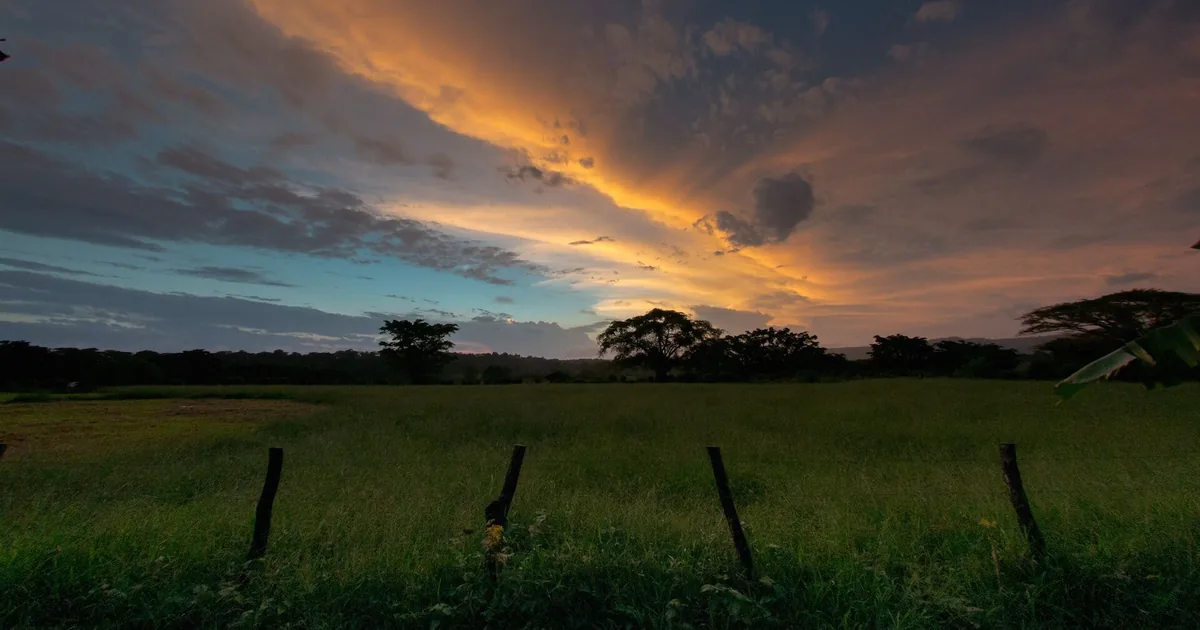
alt=View of the clear turquoise waters and coastline of Port Vila, Vanuatu, illustrating the idyllic setting for those living in Vanuatu.
Residency vs. Citizenship: Choosing Your Legal Pathway in Vanuatu
The most critical decision for anyone planning to move to Vanuatu is choosing the correct legal status. The two primary routes—Residency and Citizenship by Investment—serve entirely different purposes and have separate legal bases, costs, and benefits. They are not interchangeable.
- Vanuatu Residence Visa: This is for individuals who intend to physically live in Vanuatu. It is governed by the Immigration Act and managed by the Department of Immigration and Passport Services. It requires proof of income, investment, or family ties within Vanuatu.
- Vanuatu Citizenship by Investment (DSP): This programme provides a passport and citizenship in exchange for a financial contribution. It is designed for global mobility and does not require the applicant to live in or even visit Vanuatu.
The table below compares the main options for a single applicant.
| Feature | Self-Funded Residence Visa | Leasehold Holder Residence Visa | Citizenship by Investment (DSP) |
|---|---|---|---|
| Primary Purpose | Right to live in Vanuatu | Right to live in Vanuatu | Second passport & citizenship for travel |
| Residency Requirement | Yes, this is for residents | Yes, this is for residents | No residency requirement |
| Governing Body | Dept. of Immigration | Dept. of Immigration | Vanuatu Citizenship Office & Commission |
| Key Financial Qualifier | Certified income of at least 250,000 vatu per month (~US$2,100) | Leasehold of property valued at 10M vatu (~US$84,000) + certified income of 250,000 vatu/month | One-time contribution of US$130,000 |
| Government Fees (1-Year Visa) | From 57,600 vatu (~US$480) | From 57,600 vatu (~US$480) | Included in contribution + US$5,000 due diligence fee |
| Passport Issued? | No | No | Yes |
| Visa-Free Travel | Depends on your original passport | Depends on your original passport | 88 countries (Schengen Area & UK require a visa) |
Takeaway: For those who genuinely want to live in Vanuatu, a **Residence Visa** is the only correct legal path. The Self-Funded and Leasehold Holder options are the most common routes. Citizenship by Investment is a tool for global mobility and tax planning, not a residency solution.
This article is published by an independent law firm for informational purposes only and does not represent or claim affiliation with any government body, international organization, or official authority.
FAQ
Living in Vanuatu: FAQs
For the right person, Vanuatu is an incredible place to live. It's ideal if you're chasing a relaxed, tropical life in a country with zero income tax. The stunning environment, friendly people, and tight-knit community are huge draws. That said, it's not for everyone. You have to be prepared for very limited healthcare, high prices on imported goods, and the annual cyclone season.
Three things demand your careful attention. First, property law. You can only lease land, never own it, making legal due diligence on any lease agreement absolutely critical. Second, your health. You must have detailed medical insurance that specifically includes evacuation coverage, as local hospitals are basic. Third, immigration rules. Stick to the terms of your visa religiously. Overstaying or working without a permit can lead to serious consequences, including deportation.
Choosing between Fiji and Vanuatu comes down to your priorities. Vanuatu's main advantages are its very accessible residency programs and its status as a fully tax-neutral country—a huge magnet for many expats. Fiji, on the other hand, has a more developed tourism sector, a larger economy, and more direct international flight connections. If your goal is straightforward residency as a self-funded individual, Vanuatu's process is often considered the clearer path.
The biggest pros are the tax-free setup (no income, capital gains, or inheritance tax), a breathtaking natural environment, and a warm, relaxed culture. The biggest cons? Limited and costly healthcare, the high price of anything imported, developing infrastructure, and the yearly risk of tropical cyclones from November to April. Life is simpler, but it also lacks the conveniences you take for granted in a developed nation.
Searching "Living in Vanuatu" on Reddit or other forums connects you to a pipeline of first-hand stories and practical tips from expats on the ground. You'll find threads on everything from shipping your belongings and finding housing to school options and daily expenses. These are fantastic for lifestyle insights. However, never rely on them for legal, financial, or immigration advice, which is often inaccurate or dangerously out of date.
Contact Us
Schedule Your Free Case Evaluation Today
Share the details of your situation with our team, and we'll provide a prompt, confidential response. We're here to listen, answer your questions, and help you understand your legal options.
Send Us a Message
Reach Us Directly
All consultations are strictly confidential and protected by legal professional privilege.